Your cart is empty
Looks like you haven't added anything to your cart yet


Choosing the Right Deck Foot Anchor: 24", 36" or 48"?
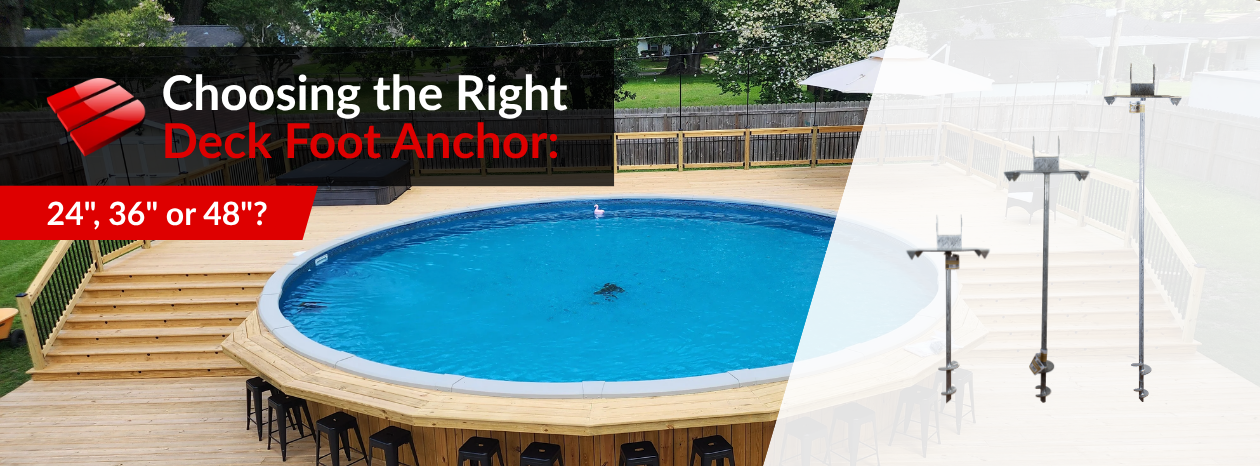
One of the most common questions we get is simple: Which Deck Foot Anchor auger length should I use?
The answer depends on your soil, wind exposure, and the load your project needs to support.
For most applications, the 24" auger is the right choice. The 36" and 48" options are better suited to more specific site conditions.
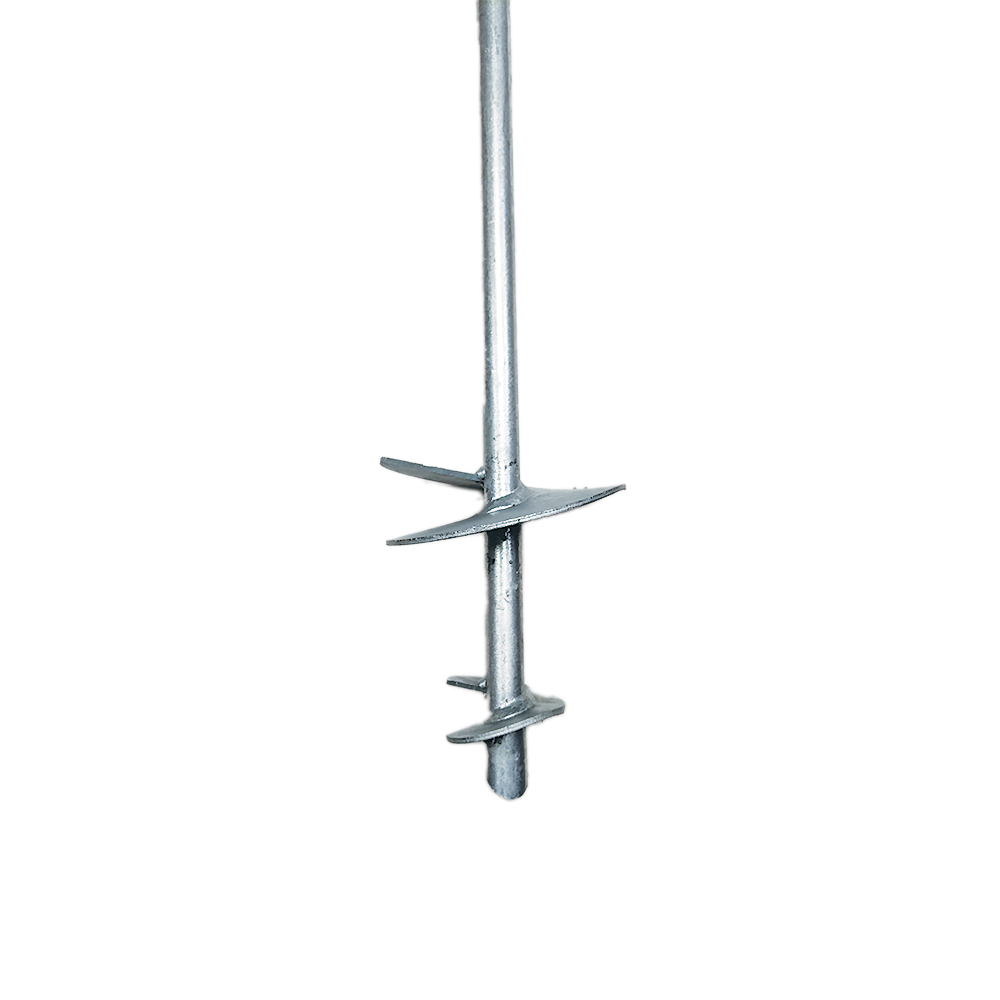
24" Auger: The Best Fit for Most Projects
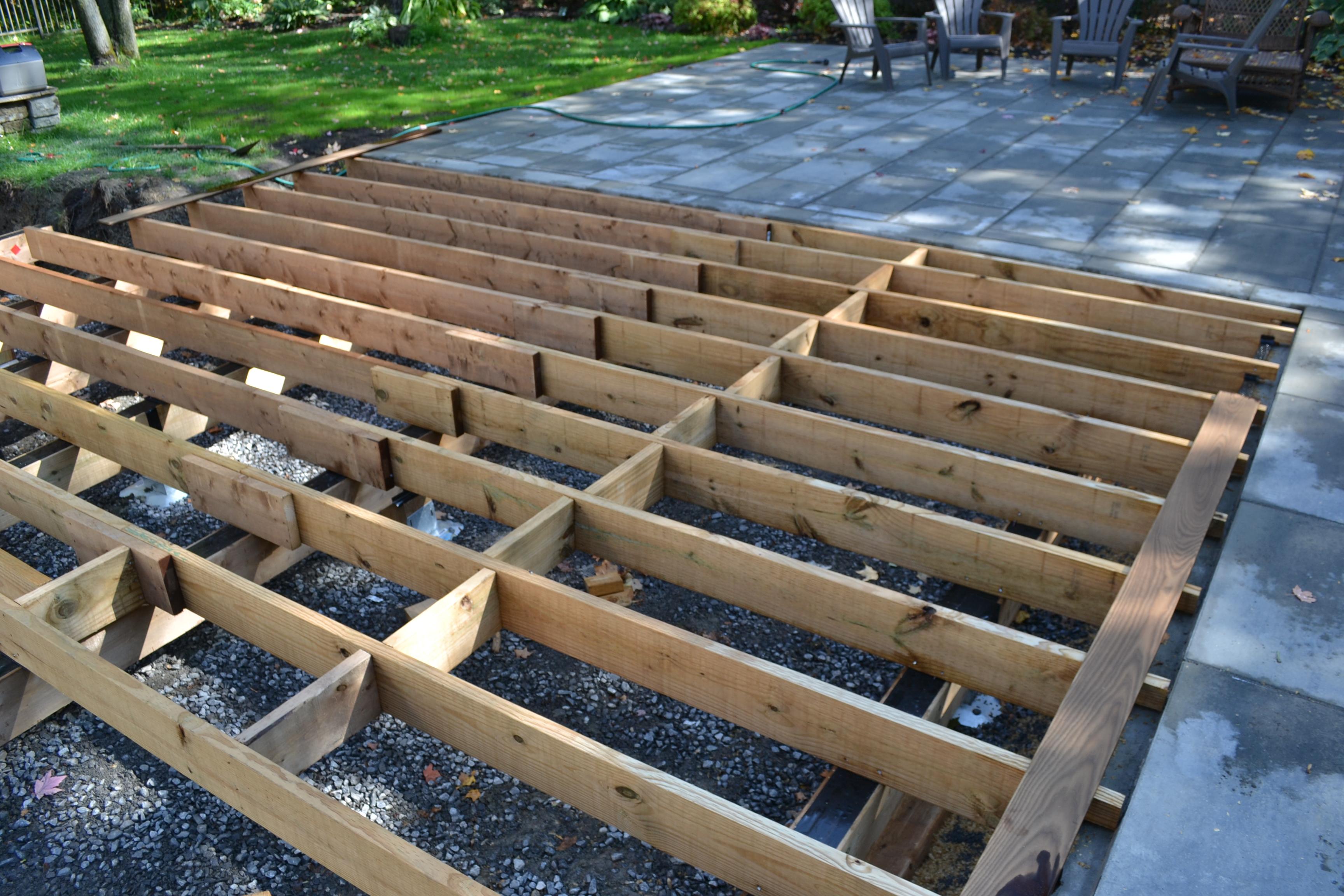
For roughly 80–90% of Deck Foot Anchor applications, the 24" auger is all you need.
It is shorter, easier to install, and less likely to encounter buried roots or rocks.
With the standard 3-1/4" blade, tested compression capacity is:
-
6,285 lbs in sand
-
1,146 lbs in clay
For typical low-level decks, pergolas, and similar structures in suitable soil, this is usually the best place to start.
36" Auger: More Depth and Uplift Resistance
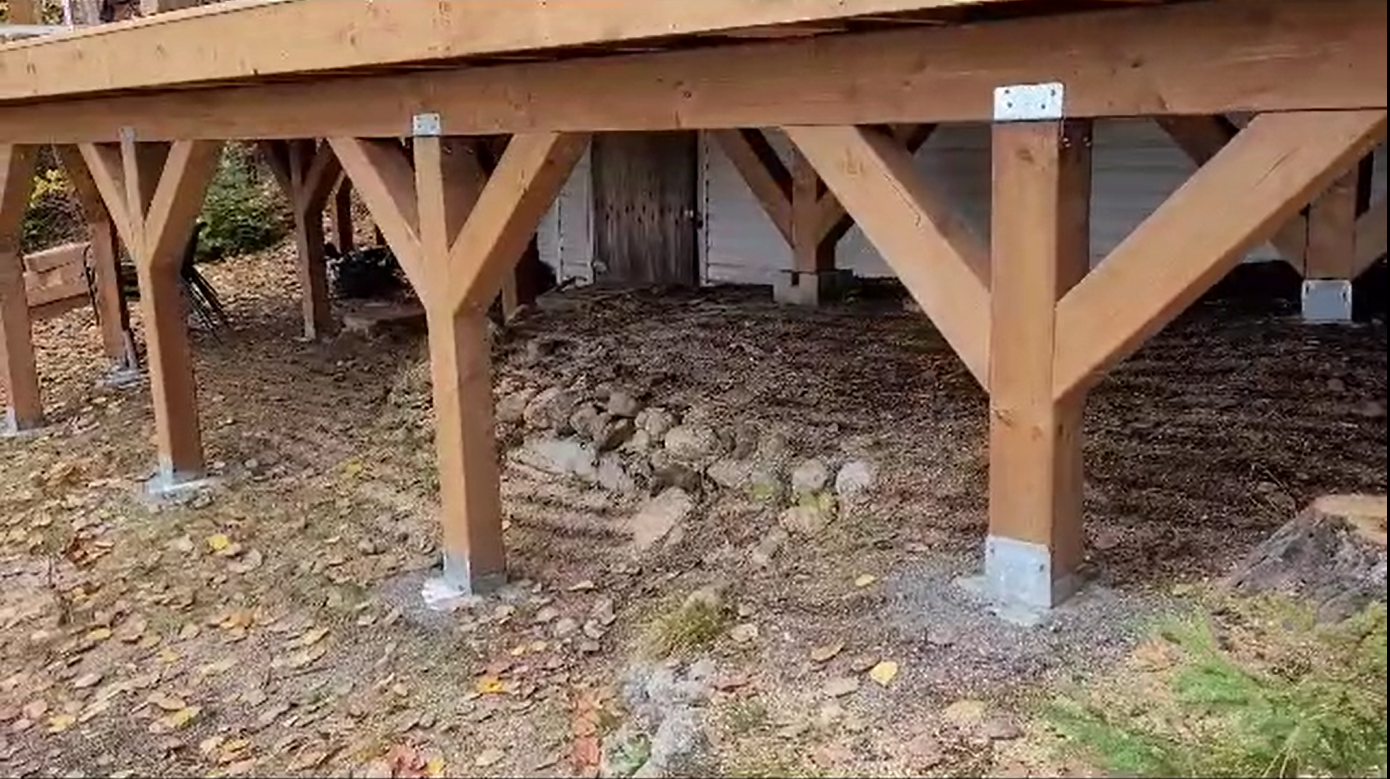
The 36" auger makes sense when you need:
-
More wind uplift resistance
-
Additional depth in sandy soil
-
More engagement with firmer soil below the surface
Its tested compression capacity with the 3-1/4" blade is:
-
6,285 lbs in sand
-
1,391 lbs in clay
In sand, the compression rating is the same as the 24" version. The main advantage of the extra length is deeper soil engagement and improved uplift resistance.
48" Auger: For More Demanding Conditions
The 48" auger is intended for projects where greater depth or higher capacity is required.
With the standard 3-1/4" blade, tested compression capacity is:
-
More than 6,285 lbs in sand
-
More than 1,391 lbs in clay
The extra length can be useful where upper soil is loose, disturbed, or where deeper embedment is desirable.
Keep in mind that longer augers also increase the chance of hitting buried rocks, roots, or other obstructions.
What About the 5" Blade?
For projects requiring significantly higher compression capacity in clay, there is also a 48" auger with a 5" blade.
Its tested compression capacity is:
-
5,500 lbs in clay
The larger blade creates more bearing area in the soil, making it a strong option for more demanding applications.
Which One Should You Use?
For most Deck Foot Anchor projects, start with the 24" auger.
Move up to 36" or 48" when your soil conditions, wind exposure, or load requirements give you a reason to do so.
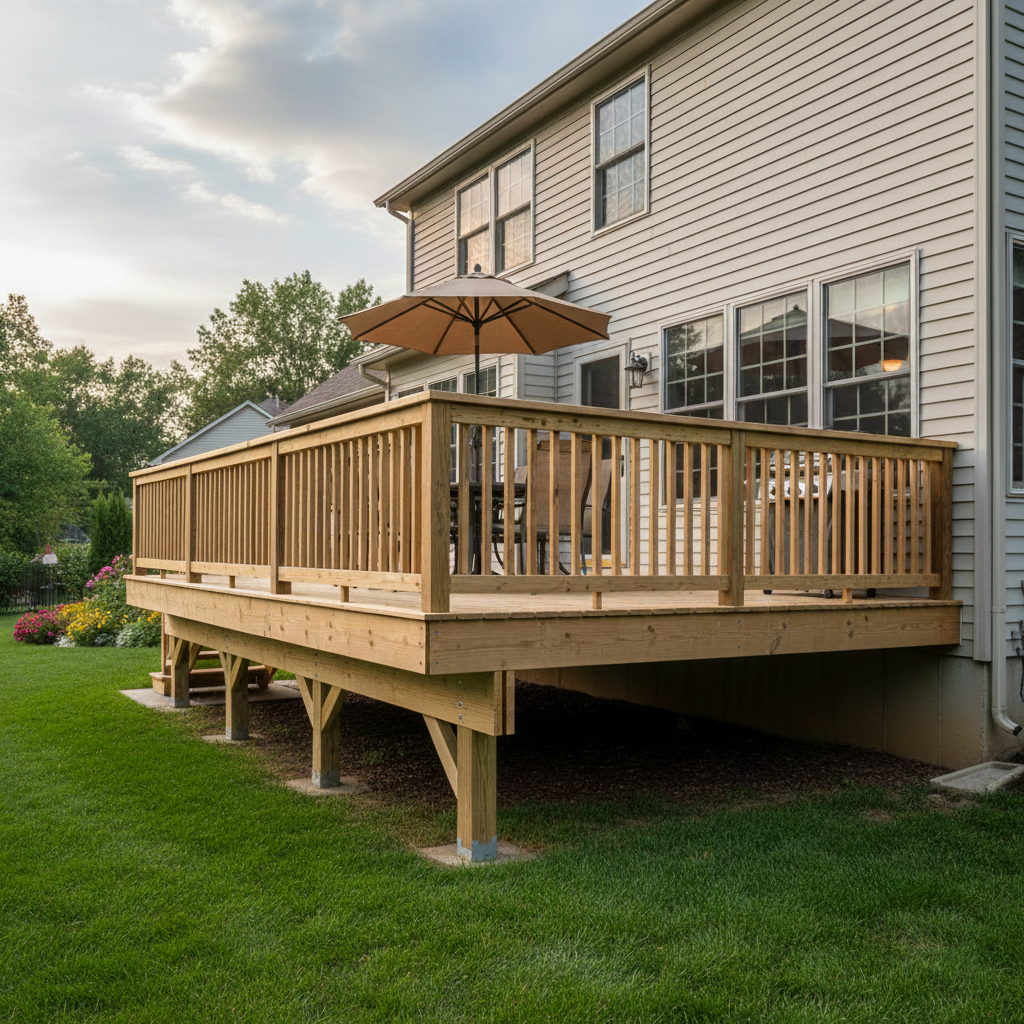
What About the 5" Blade? Building a Frost-Resistant, Ledger-Attached Deck?
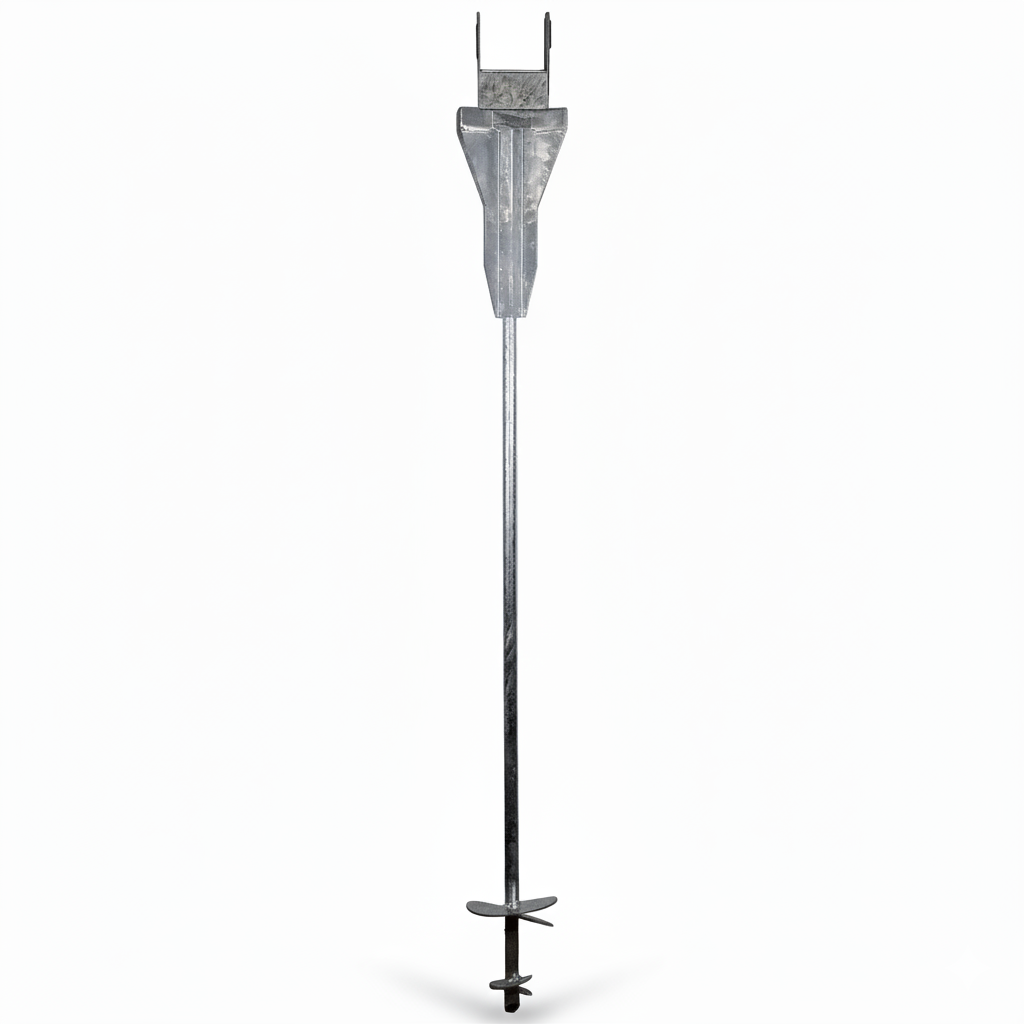
Not every deck is designed as a floating structure. If you're building a deck that will be attached to the house ledger, the Ledger Deck Foot Anchor is designed for this type of application.
The Ledger Deck Foot Anchor uses the same helical footing principle, but allows the footing to be installed below the local frost depth. When the blade is installed at the required depth in suitable soil, it can provide a true frost-resistant footing for ledger-attached deck applications.
This makes the Ledger Deck Foot Anchor a solution when your deck design requires permanent support below frost depth rather than a floating deck footing.
In short:
-
Floating Deck Foot Anchor — ideal for floating, freestanding decks and other structures where the deck is independent of the house.
-
Ledger Deck Foot Anchor — designed for decks attached to a house ledger where the footing needs to extend below frost depth.
As with any footing system, local building codes, soil conditions, required embedment depth, and structural loads should be considered when determining the appropriate installation.

Deck Foot Anchor - Test Kit
5.0
If you're unsure whether your soil is compatible with the Deck Foot Anchor system, we offer the Deck Foot Anchor Test Kit, designed specifically to help you evaluate your site before committing to a full footing installation.
The kit uses a single 24" test auger that you can drive into the planned footing locations to check for buried roots, rocks, and other underground obstructions.
This gives you a simple way to test the site before ordering the rest of your anchors.
If the test auger installs cleanly, that is a good indication that the area may be suitable for the Deck Foot Anchor system. If you hit an obstruction, you can reverse the auger, move over slightly, and try again.
For larger projects, testing a few key locations ahead of time can help reduce surprises during installation and give you a better idea of what auger length may make sense for the site.
Start Your Next Project Today!
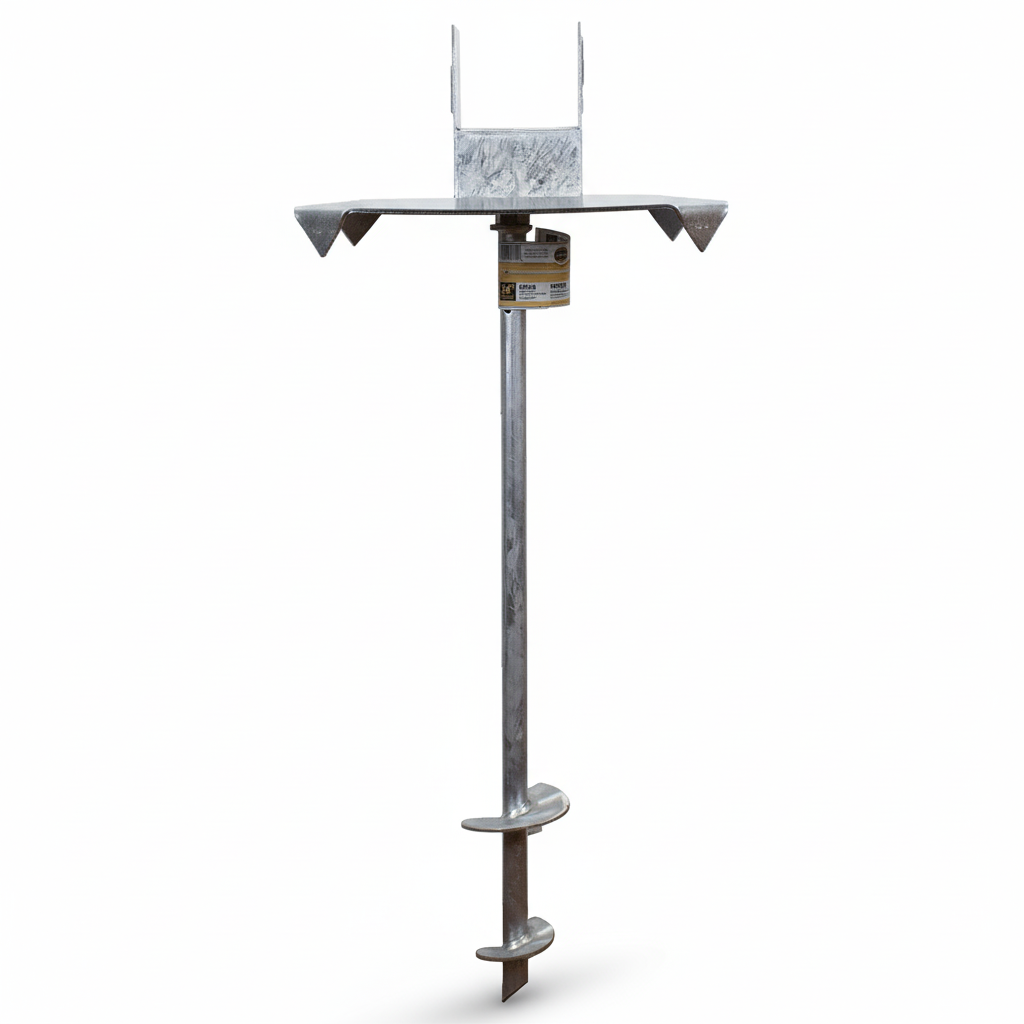
Deck Foot - Floating
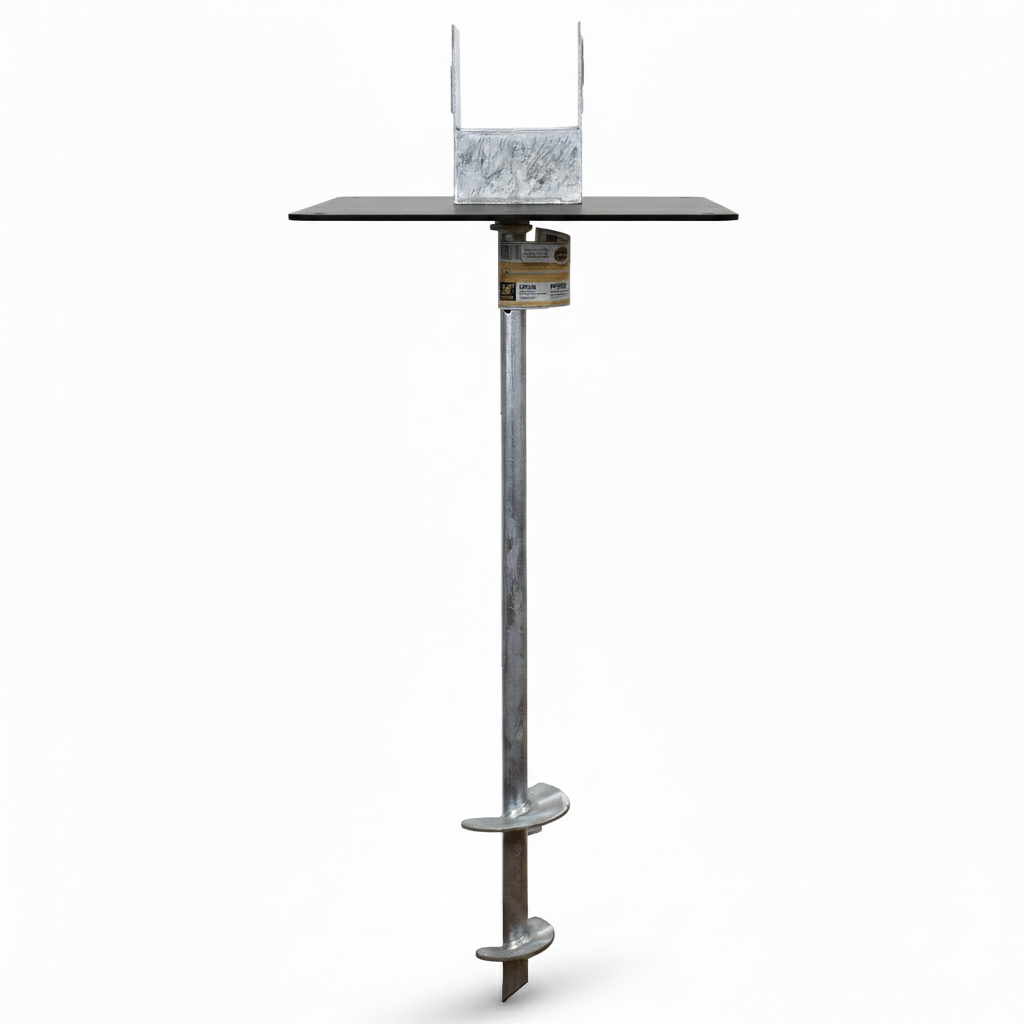
Deck Foot - Floating (Over Pavers)
Deck Foot - Ledger/Frost
- Choosing a selection results in a full page refresh.