Your cart is empty
Looks like you haven't added anything to your cart yet



Building a Deck Without Concrete: A Simpler Way to Start Your Deck
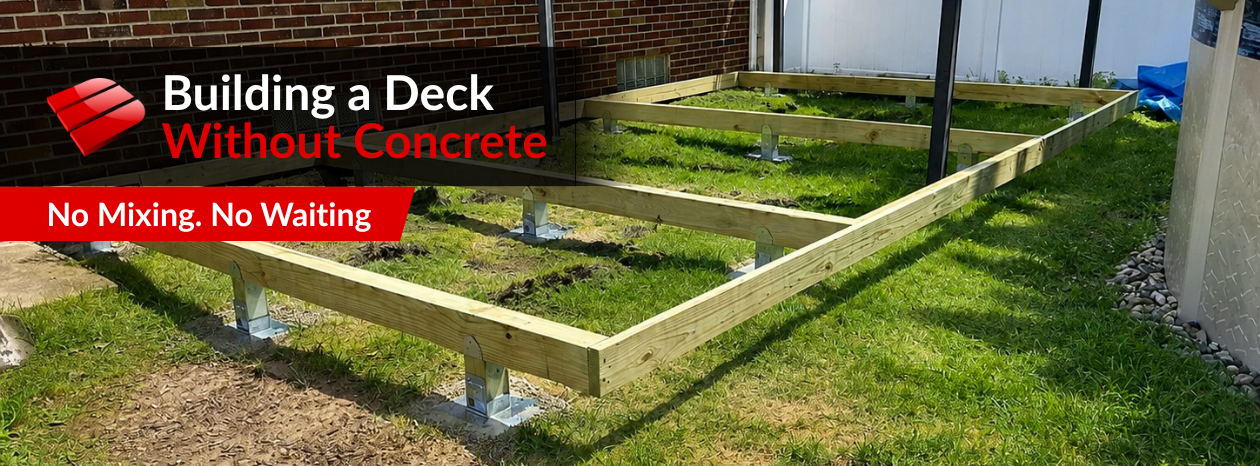
Building a deck usually starts with a trip downward.
Dig the footing holes. Remove the soil. Bring in or mix concrete. Pour the footings. Wait.
But what if you could start building your deck without pouring concrete at all?
What if there was a system that secured your structure to the ground like a concrete footing and could be self installed in most soil conditions, reversed out if needed, came with a body of engineering data and was designed with loads that decks typically carry?
For many residential deck projects, a self-installed helical footing system can provide an alternative foundation approach that lets you move from layout to footing installation to framing without making concrete part of the job.
That can completely change the way a backyard deck project begins.
Can You Build a Deck Without Concrete?
Yes — depending on the design of the deck, site conditions, soil, local requirements, and the footing system being used.
The important thing to remember is that your deck doesn't inherently need concrete.
It needs a foundation capable of transferring the loads from the structure into the ground.
One way to accomplish that is with a helical footing such as the Deck Foot Anchor™, which is designed specifically around the loads commonly found in deck and other residential outdoor structures.
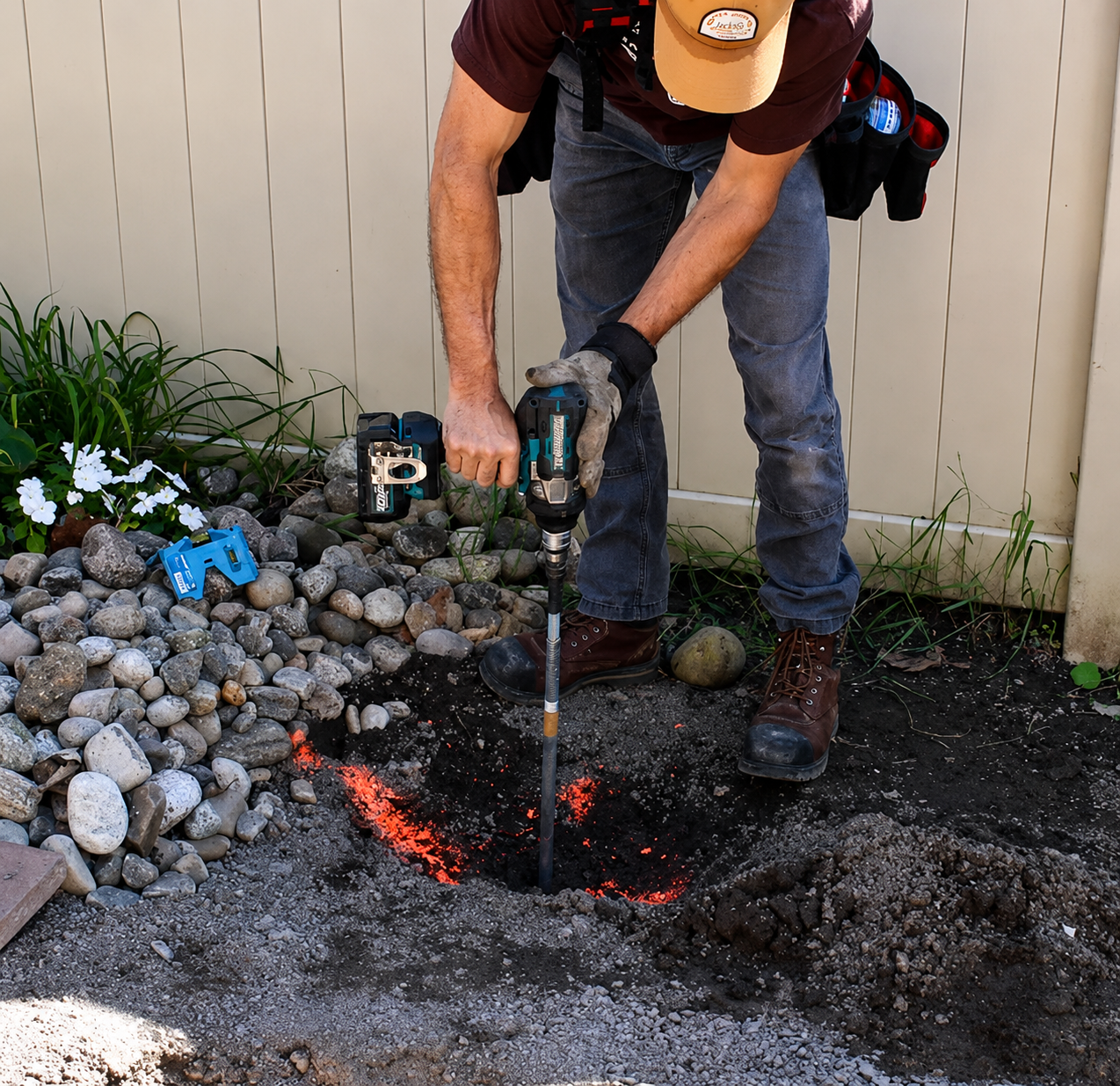
Instead of pouring a footing onsite, you install the footing mechanically into the soil with a hand held 18V impact wrench in most installs.
And that's where the building process starts to look very different.
What Does Building a Deck Without Concrete Actually Look Like?
Imagine you're building a typical backyard deck.
You've determined the size of the deck, established the beam locations, and marked your footing positions.
With conventional construction, this is usually where the digging operation begins.
With a Deck Foot Anchor installation, your next step can instead be to position the anchor at your footing location and drive it into compatible soil.
In many applications, installation can be completed with a handheld 1/2-inch impact wrench and the appropriate installation socket.
Once the footing is properly installed, the post saddle can be positioned for the framing above.
Then you keep building.
Start With an Accurate Deck Layout
A faster footing system doesn't eliminate the need for good layout.
In fact, taking the time to establish accurate beam and footing lines before installation makes everything above the foundation easier.
Before installing your footings, identify:
-
The overall deck dimensions
-
Beam locations
-
Joist direction
-
Footing spacing
-
Post locations
-
Stairs or landings
-
Existing patios, walkways, landscaping, or other obstacles
String lines can be particularly useful for establishing straight beam lines and checking that the deck is square.
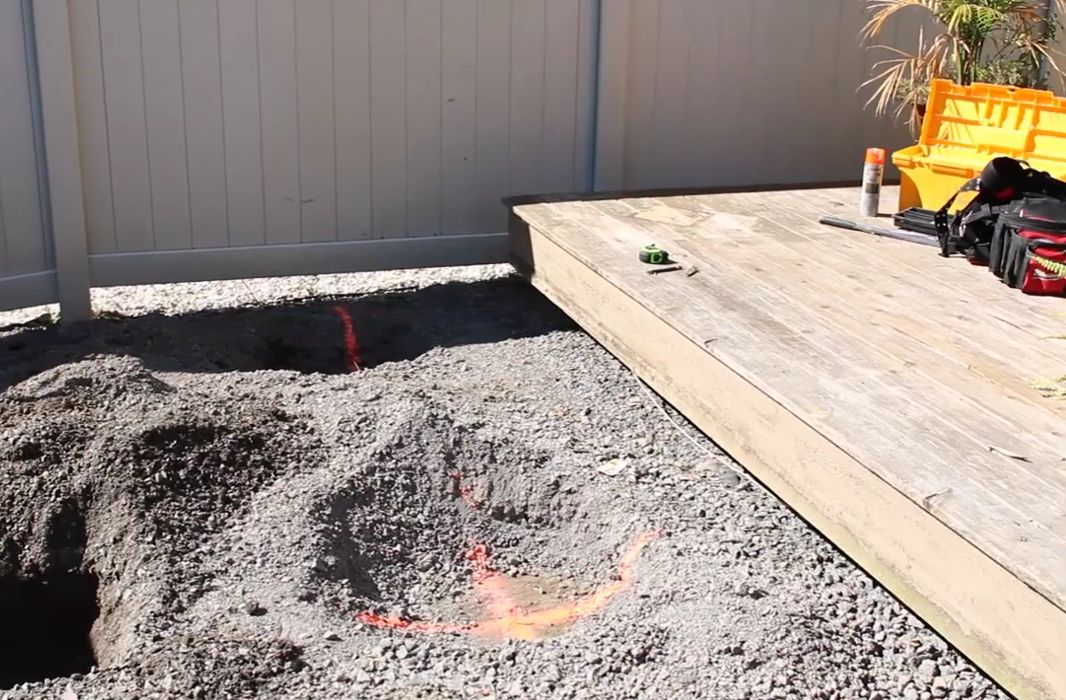
Once those reference lines are established, the footing locations can be marked directly on the ground.
Fine-Tune the Beam Line After Installation
This is one of those details that doesn't seem very important until you're actually framing the deck.
Footing locations and beam lines don't always land perfectly.
A conventional post base generally gives you very little opportunity to correct lateral alignment once the footing location has been established.
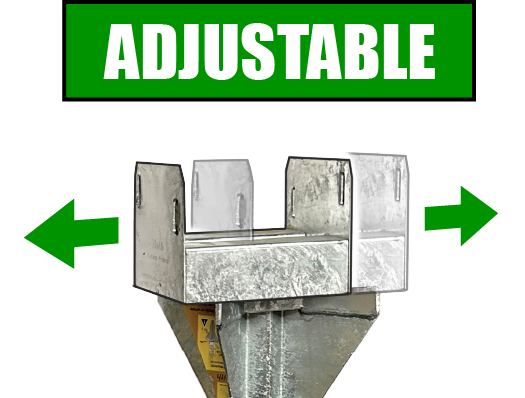
The patented Deck Foot Anchor uses a sideways-adjustable post saddle that allows the installer to make lateral adjustments at the top of the footing.
Other helical systems require perfect positioning - or site welding a custom post bracket.
That means you can install your anchors, establish your final beam line, and fine-tune the saddle position to help keep the framing straight.
For the person actually building the deck, that adjustability can be far more useful than it sounds on paper.
A small correction at the footing can prevent a much larger alignment problem farther up the structure.

Deck Foot Anchor - Test Kit
5.0
What About Soil?
Helical footings depend on the ground they are installed into, so soil conditions matter.
Before beginning your deck project, consider whether the installation area contains suitable soil and whether rocks, construction debris, buried obstacles, roots, utilities, or other conditions could interfere with installation.
If you're unsure whether your soil is compatible with the Deck Foot Anchor system, we offer the Deck Foot Anchor – Test Kit, designed specifically to help you evaluate your site's soil before committing to the full footing installation.
One Foundation Idea, Lots of Backyard Projects
The same no-concrete approach isn't limited to traditional decks.
A self-installed helical footing can also be useful for compatible outdoor projects such as:
-
Pergolas
-
Gazebos
-
Sheds
-
Walkways and boardwalks
-
Landings
-
Small outdoor structures
Once you've experienced being able to establish a structural support point without excavating and pouring a conventional footing, you begin to look at backyard construction a little differently.
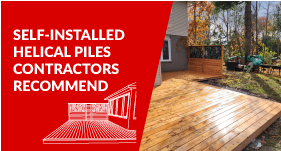
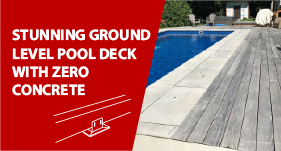
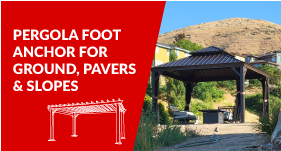
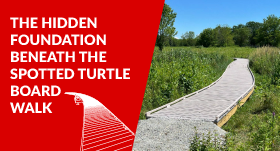
Check out some of our testimonial blogs to see customers who loved their 'no concrete builds'.
Find The Right Deck Foot Anchor For Your Build!
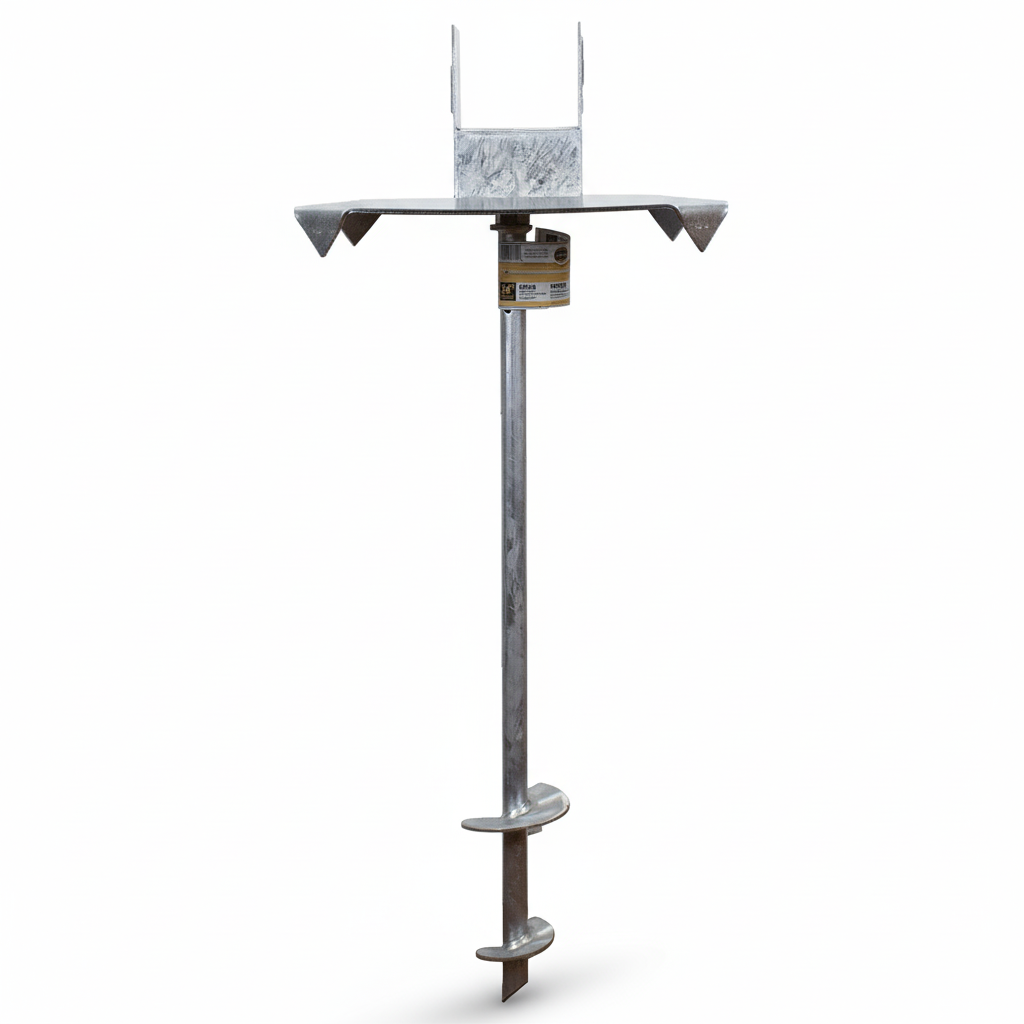
Deck Foot - Floating
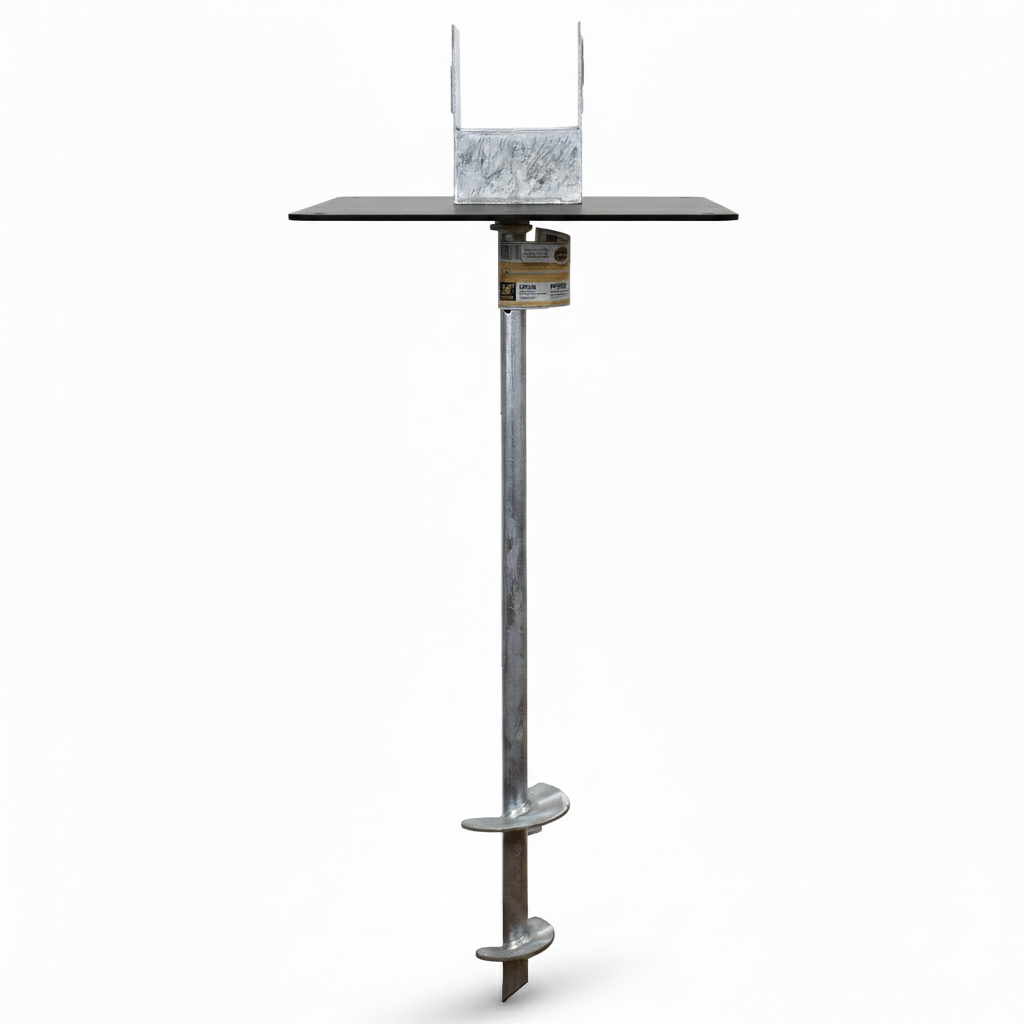
Deck Foot - Floating (Over Pavers)
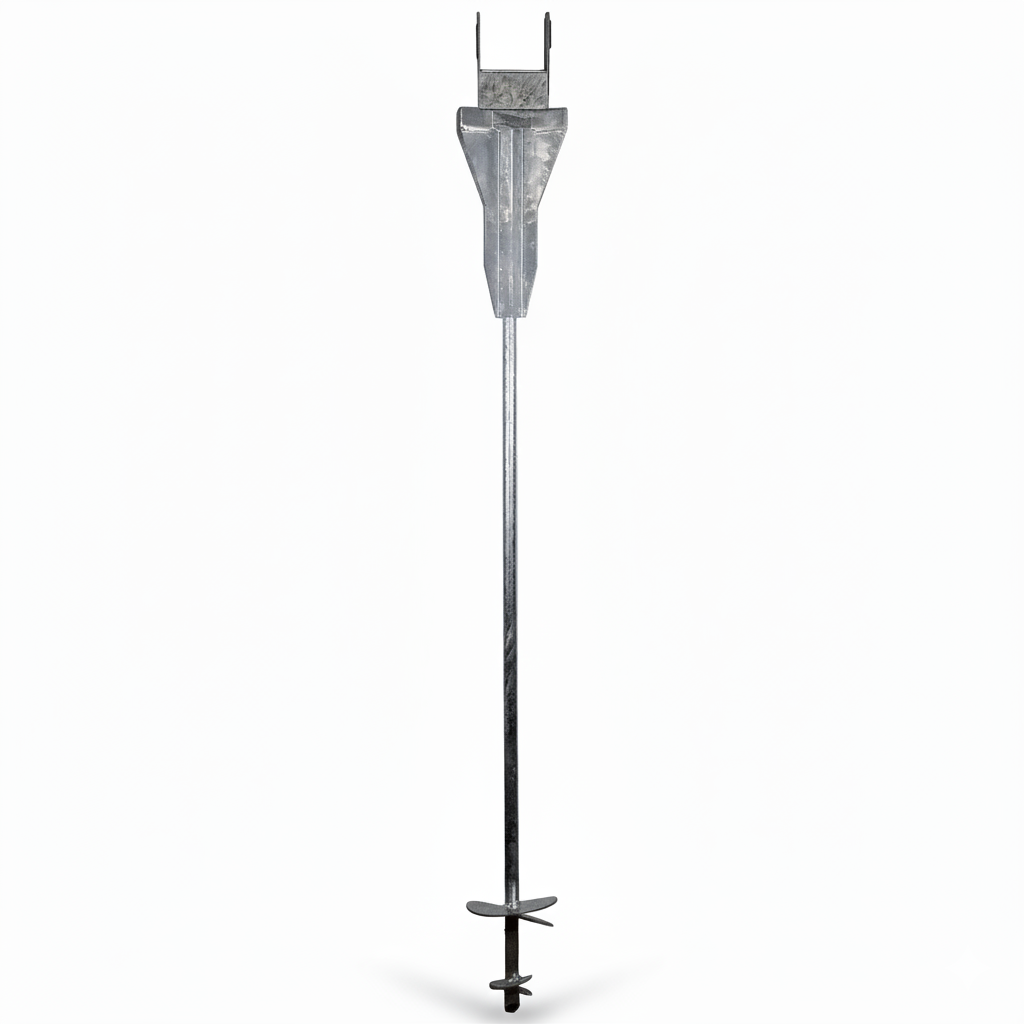
Deck Foot - Ledger/Frost
- Choosing a selection results in a full page refresh.