Your cart is empty
Looks like you haven't added anything to your cart yet



Floating Decks vs Ledger Decks: When Each Makes Sense for Your Backyard Build
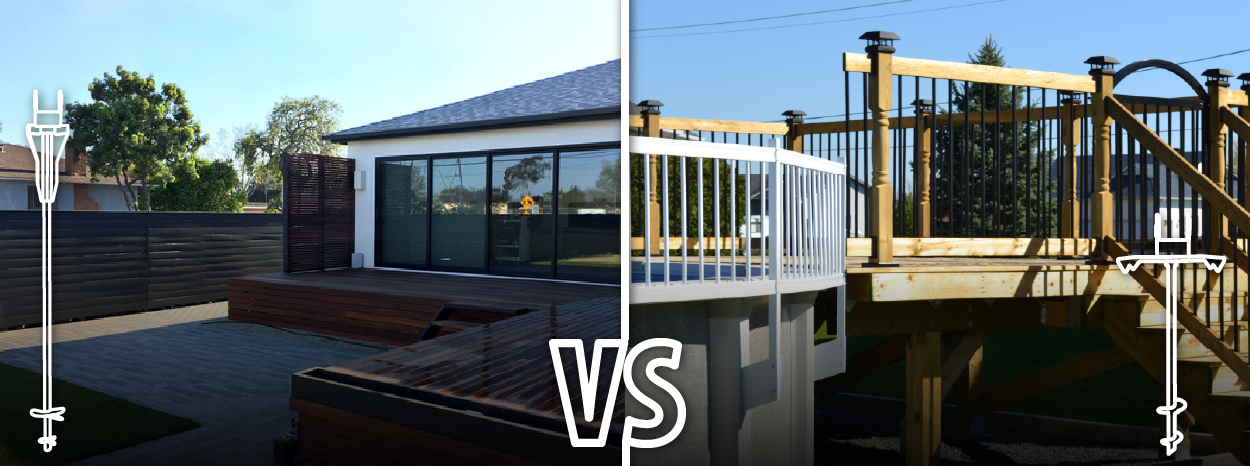
If you are dreaming of building a deck, one of the first decisions you will face is whether it should be floating (free standing) or ledger attached to your home. Both are safe, strong structural options, but they serve different purposes and are often chosen for very different reasons.
Understanding the differences will help you design the right deck for your space, climate, and long term needs.
What Is a Floating Deck?
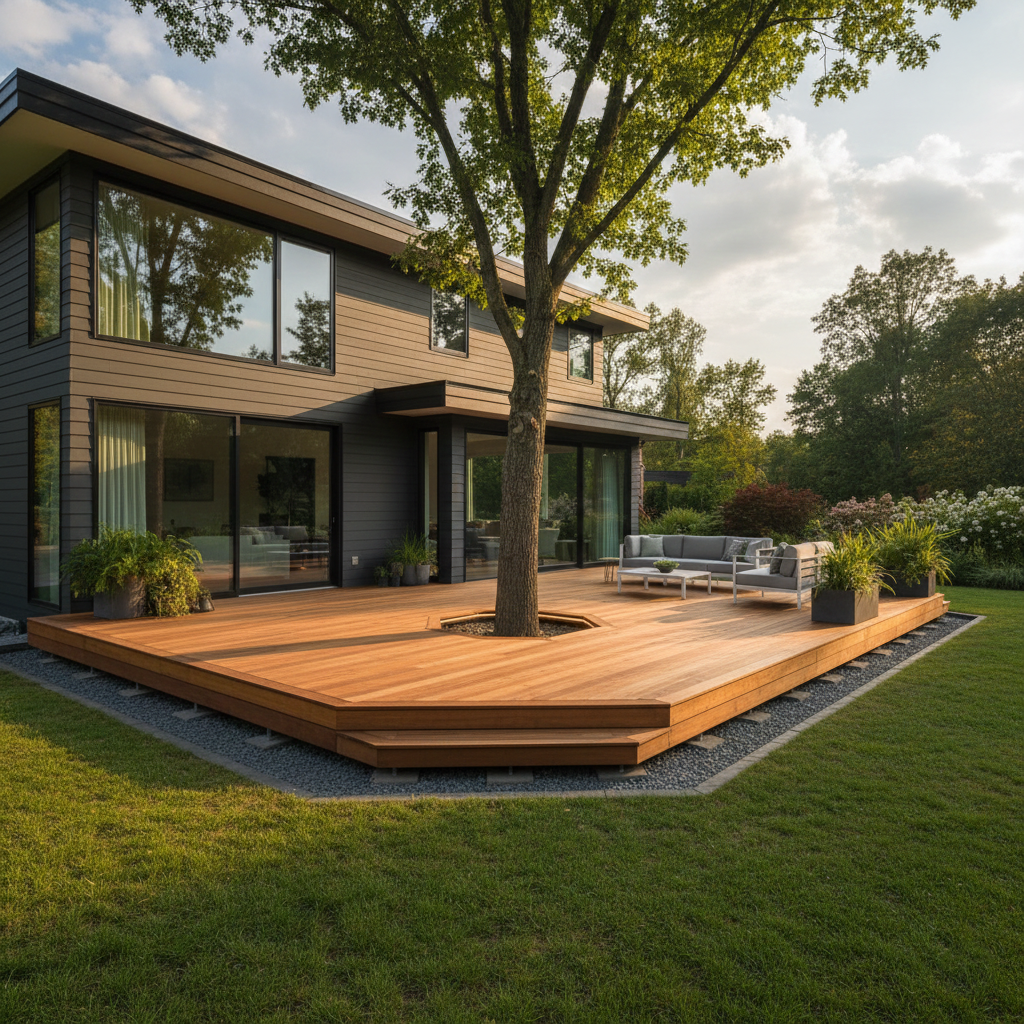
A floating deck sits independent from the home, supported entirely by footings resting on the the ground. It is not fastened to the house and does not rely on an existing foundation for structural support.
Floating decks are often chosen because they can be:
-
Easier and faster to build
-
Lower to the ground and great for patios or gardens
-
Less invasive to siding, brick, or waterproofing
-
Installed without major excavation or heavy equipment
-
More forgiving on slightly uneven landscapes
They are a popular choice for first time builders, backyard remodels, and outdoor spaces located away from the home.
When a Floating Deck Makes the Most Sense
A floating deck is often the ideal option when:
-
Your siding is difficult to remove or modify, such as masonry or stucco
-
You want a deck beside a pool, in the yard, or off a detached structure
-
The deck height is low and near grade (12" to 48")
-
You prefer a simpler permit process
-
Mobility matters — future repositioning is possible
Many low level floating decks can be completed in a weekend, especially when using fast, no dig footing systems.
Choosing the Right Footings for a Floating Deck
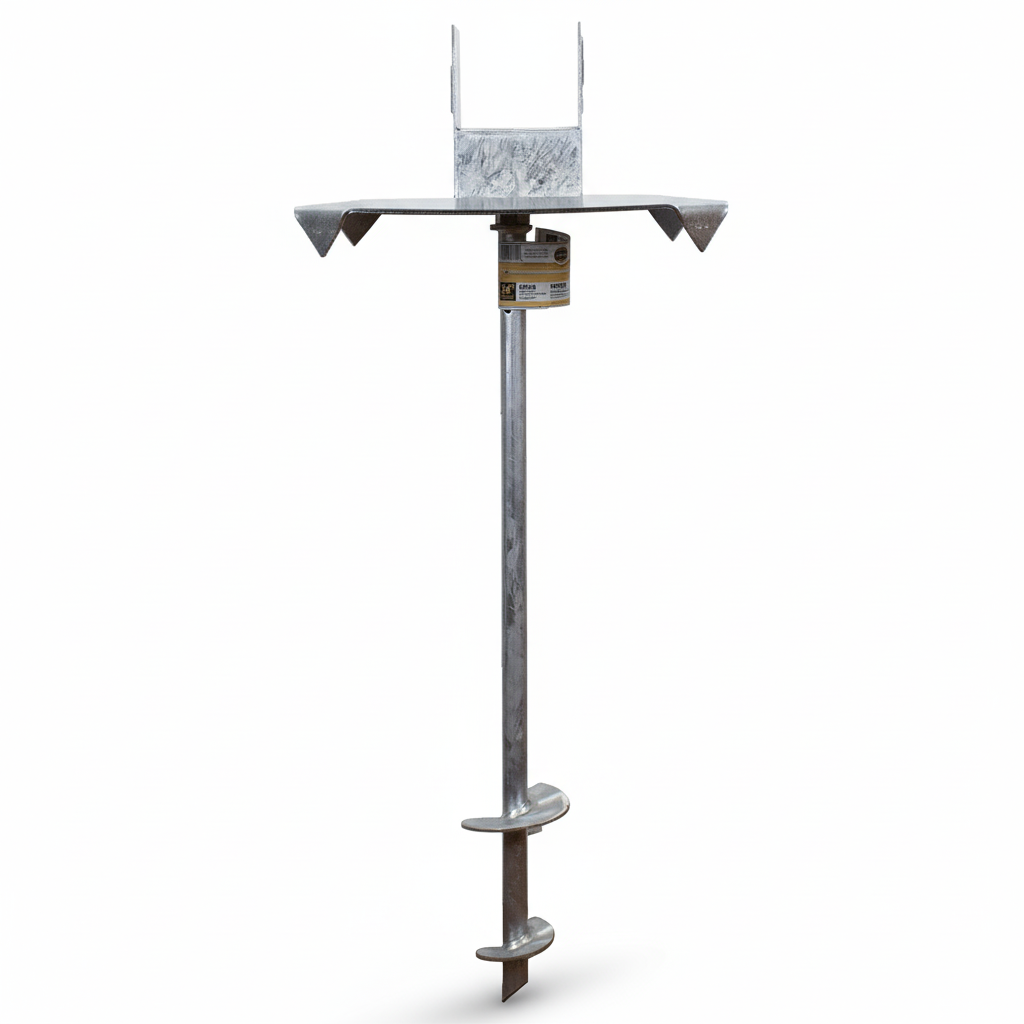
The Deck Foot Anchor - (Floating - Ground Contact) variant is designed for this exact type of project. It installs with a standard ½"drive impact wrench, remains concealed, includes built in height adjustment, and eliminates the mess and time of digging and concrete curing.
Builders regularly choose it for floating decks on grass, pavers, and lightly compacted soils. Because the post saddle offers a few inches of lateral adjustability, you do not need perfect alignment when driving the anchor into the ground.
What Is a Ledger Attached Deck?
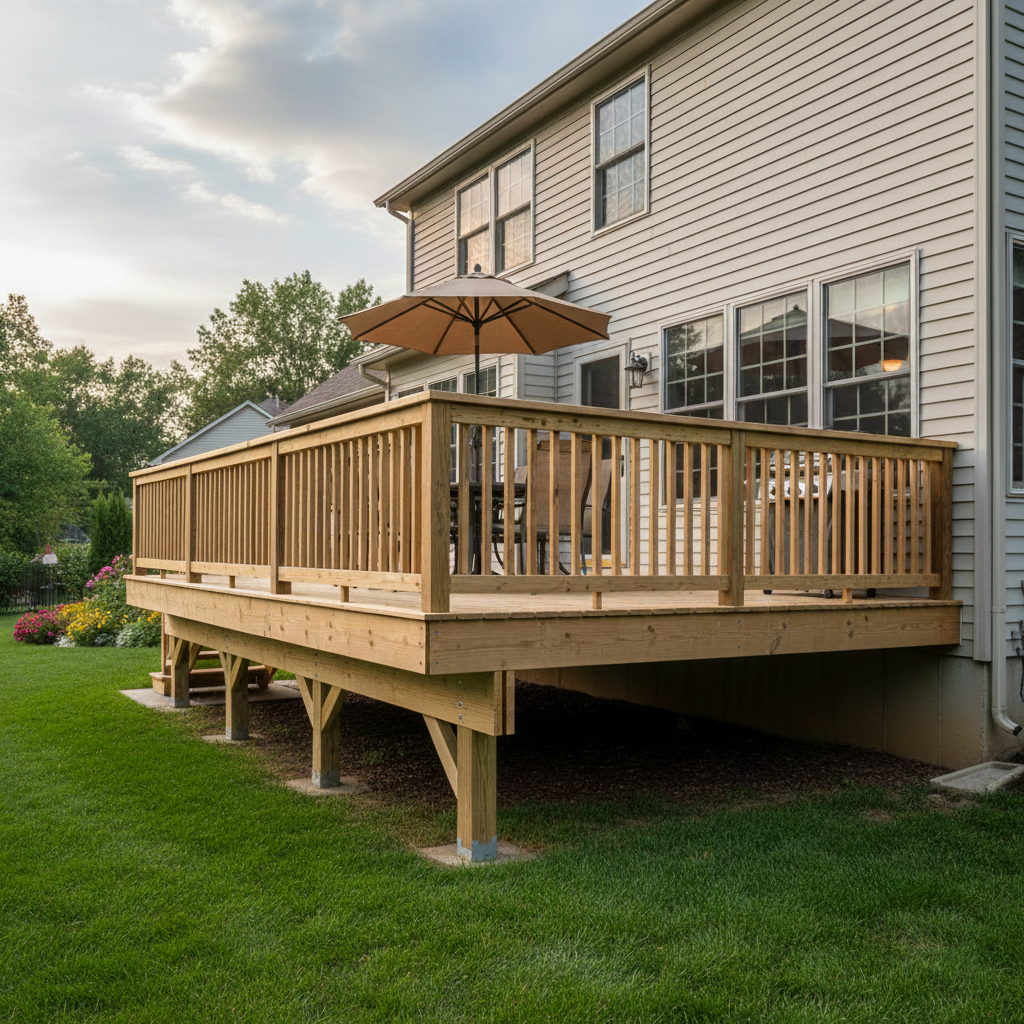
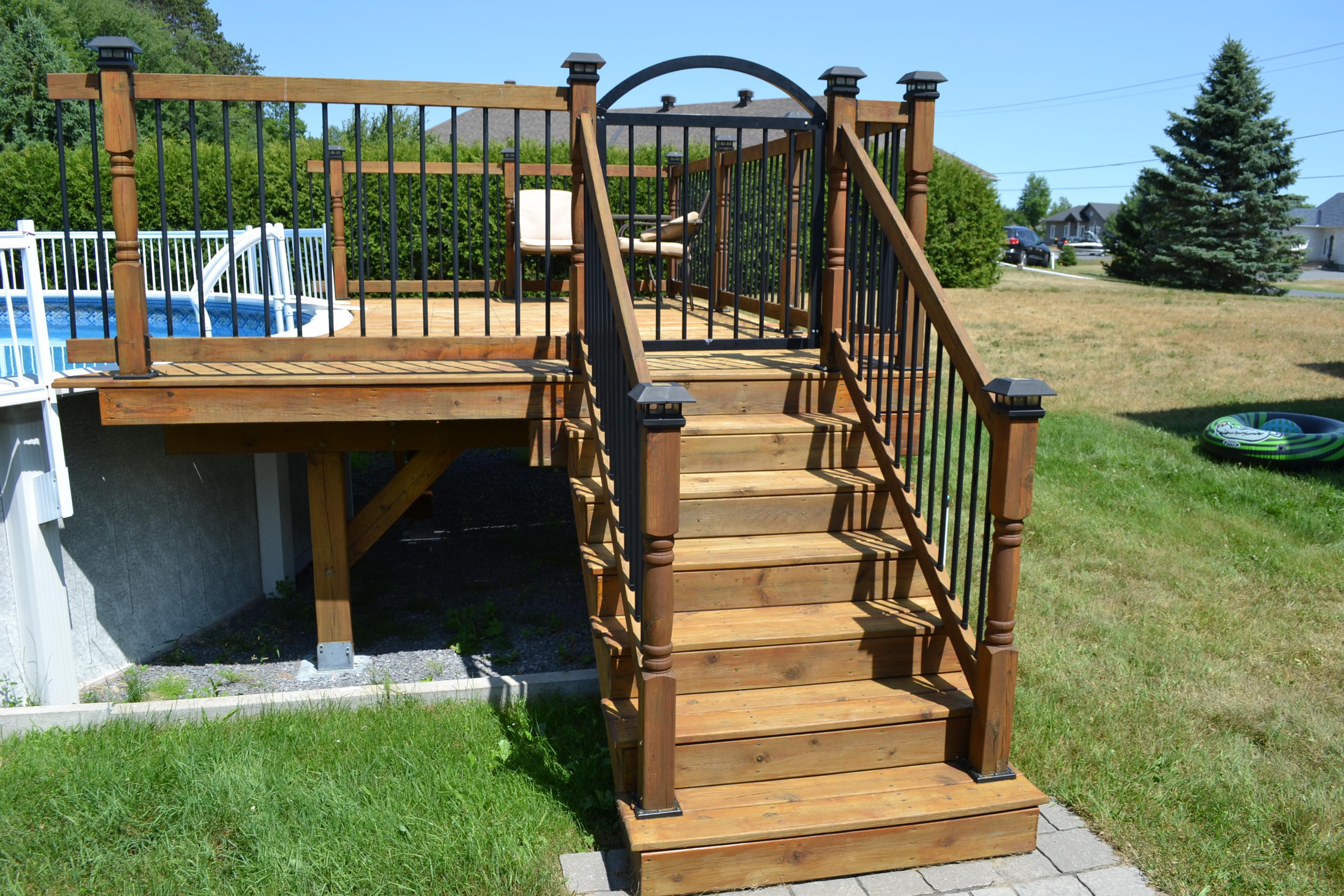
A ledger deck connects directly to the home’s structure. One side of the deck is supported by the ledger board fastened to the house, while the remaining sides are supported by footings. So half of the weight of the deck is held by the house, the other half is supported by the footings.
These decks are ideal when:
-
You want a seamless indoor to outdoor transition
-
The deck will sit near or within 7-½" of the elevation of the interior floor
-
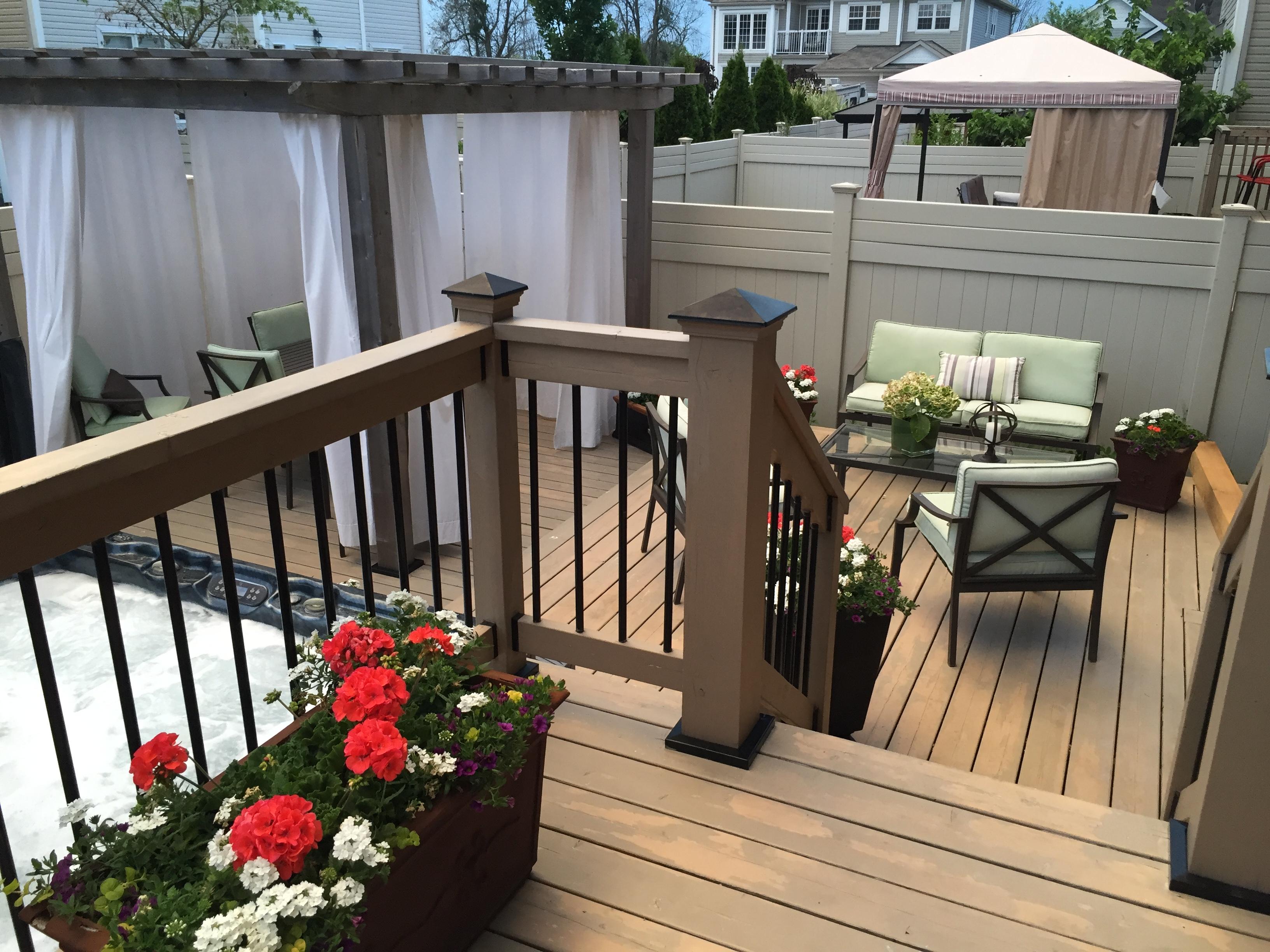
You plan to support additional loads like pergolas, hot tubs, or heavy outdoor kitchen appliances
-
Long term permanence is a priority
A ledger deck feels more integrated, which is why it is common for main level walkout homes.
When a Ledger Deck Makes the Most Sense
A ledger attached deck may be the better option when:
-
Your home has structurally accessible rim joists usually at the time of original construction
-
The deck height is anywhere from 3' to 4' or higher than the grade and you don't want to see a lot of footings under your deck
-
You want a walkout area below the deck
-
Local codes encourage or require attachment for certain elevations
However, ledger decks often require more permitting, flashing work, and extra time to ensure waterproofing and structural integrity.
Important Note for Cold Climates
If you live in a region affected by seasonal frost, footing choice becomes critical.
As the ground freezes and thaws, soil expansion can push or lift deck supports — especially on floating structures relative to the house. But this is usually unnoticeable and the soil contracts again in the spring. For a ledger attached deck, maintaining consistent elevation relative to the home is extremely important and is achieved by a footing that is unaffected by frozen and soil.
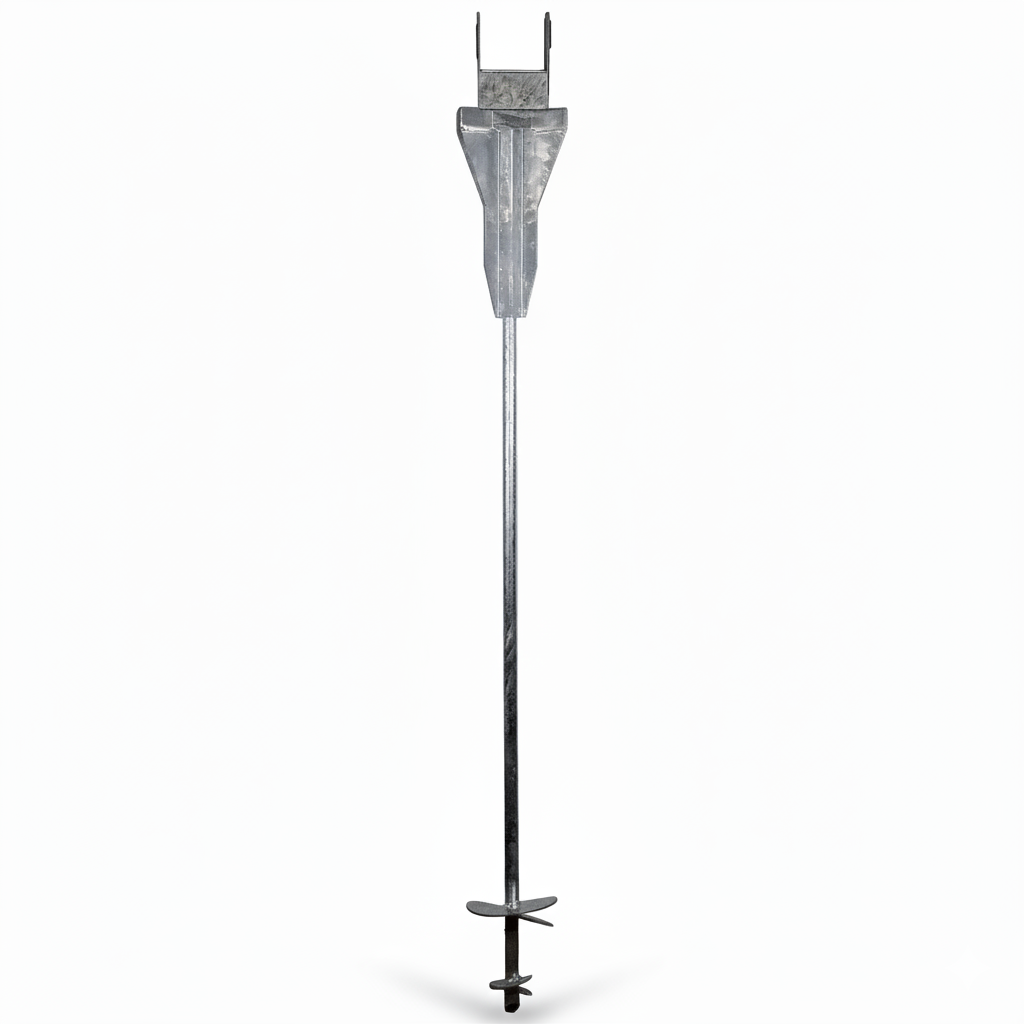
The Deck Foot Anchor - (Ledger - Frost Footing) variant was engineered specifically for frost regions. Its integrated Load Fin allows freezing soil to move freely alongside the footing while maintaining lateral stability - and while the helical blade is below the frost zone keeping it locked in place all year long. This helps maintain a consistent connection to the house and reduces the risk of differential shifting.
Floating or Ledger: Which Should You Build?
Choose a floating deck if you want:
-
Fast, simple installation - you don't want the hassle and expense of accessing the rim joist of the house
-
No changes to siding or waterproofing (flashing a rim joist connection)
-
A low profile backyard or garden deck
-
Less digging or concrete work
-
A deck location independent of the home
Choose a ledger deck if you want:
-
Less visible footings under the deck
-
Elevated walkout access
-
Higher load capacity potential
-
A permanent architectural feature
-
A large hosting or dining space attached to the home
CHECK OUT OUR MOST POPULAR CONTENT

- Choosing a selection results in a full page refresh.