Your cart is empty
Looks like you haven't added anything to your cart yet



Deck Foot Anchor vs. Concrete Footings: Which Is Right for Your Deck?
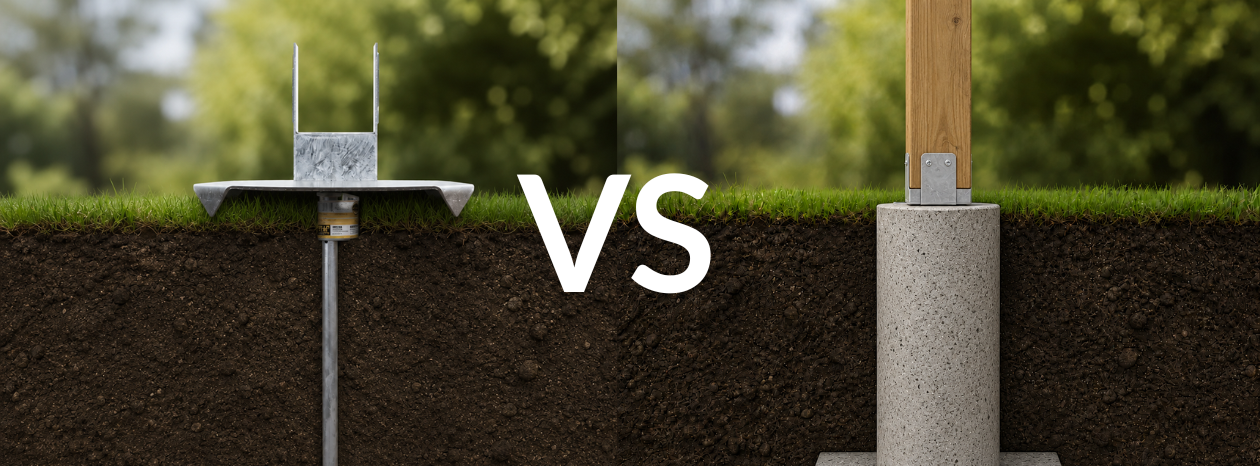
When planning a deck, one of the first major decisions is how the structure will be supported.
Traditional concrete footings have been used for decades, but they require digging, forming, mixing, and waiting for the concrete to cure.
The Deck Foot Anchor offers a faster alternative. This self-installed helical footing drives into the ground with a standard 1/2-inch impact wrench, allowing compatible deck projects to move from foundation work to framing without concrete.
Both options can create a strong foundation, but each makes sense in different situations.
How Concrete Deck Footings Work
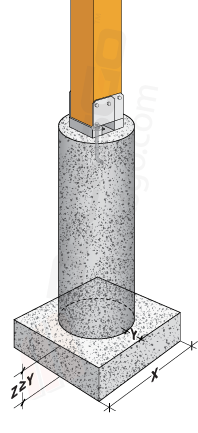
Concrete footings are typically installed by digging a hole at each support location, placing a form if required, and filling it with concrete.
Depending on local requirements, the footing may need to extend below the frost line. A post bracket or other structural hardware is then installed on top of the cured concrete.
Concrete footings are widely used because they:
-
Can support heavy structural loads when properly designed
-
Work in many soil and site conditions
-
Create a permanent foundation
-
May be required by local building authorities
However, installation can involve deep excavation, soil removal, heavy materials, cleanup, and rain and curing delays.
How the Deck Foot Anchor Works
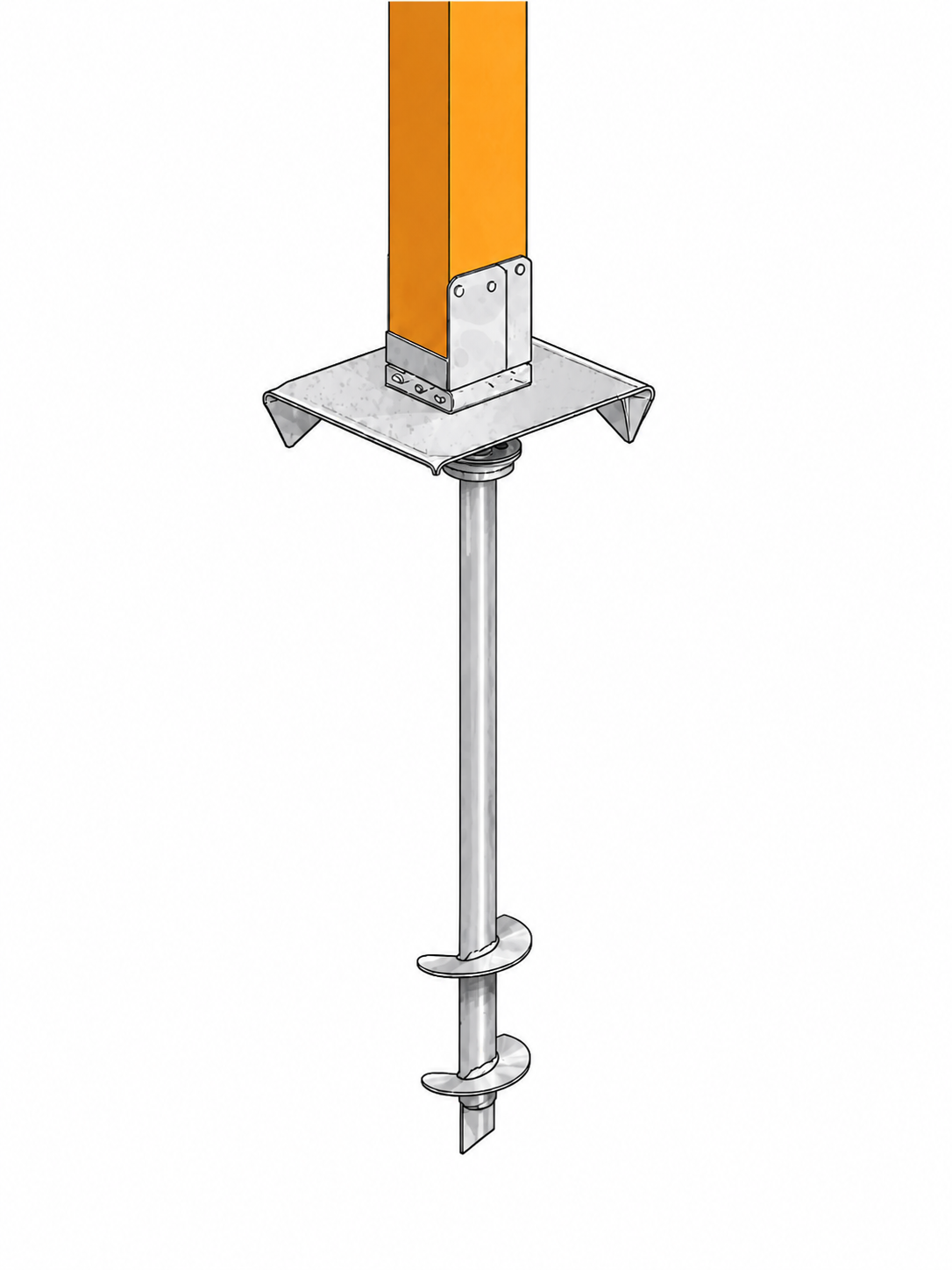
The Deck Foot Anchor is a self-installed helical footing designed for decks and other outdoor structures.
Instead of digging a large hole, the steel auger is driven into compatible soil using a standard 1/2-inch impact wrench and socket.
The load plate and laterally adjustable post saddle then attach to the auger and in turn, support the deck framing.
This means:
-
No large holes to dig
-
No concrete to mix
-
No forms to build
-
No curing time
-
Minimal disruption to the yard
-
No specialized installation machinery
Once the anchors are installed, you can begin framing immediately.
Installation Time
Concrete footing installation often includes several steps, whereas the Deck Foot Anchor simplifies this process. Once the layout is complete, each footing is driven into the ground, fitted with its load plate and saddle, and prepared for the framing.
For many compatible projects, foundation work can be completed in a single afternoon.
Which Is Easier for DIY Builders?
Concrete footings are familiar, but digging several deep holes and mixing concrete can be physically demanding.
The Deck Foot Anchor is designed to make the foundation stage more manageable for homeowners and contractors.
If you can operate a hand-held 18V ½" drive impact wrench and complete an accurate layout, you may be able to install the system yourself in compatible soil.
The adjustable post saddle also provides a couple of inches of lateral movement. If an anchor is slightly off its intended position, the saddle can often be adjusted to help align the beam without reinstalling the footing.
Deck Foot Anchor Auger Compression:
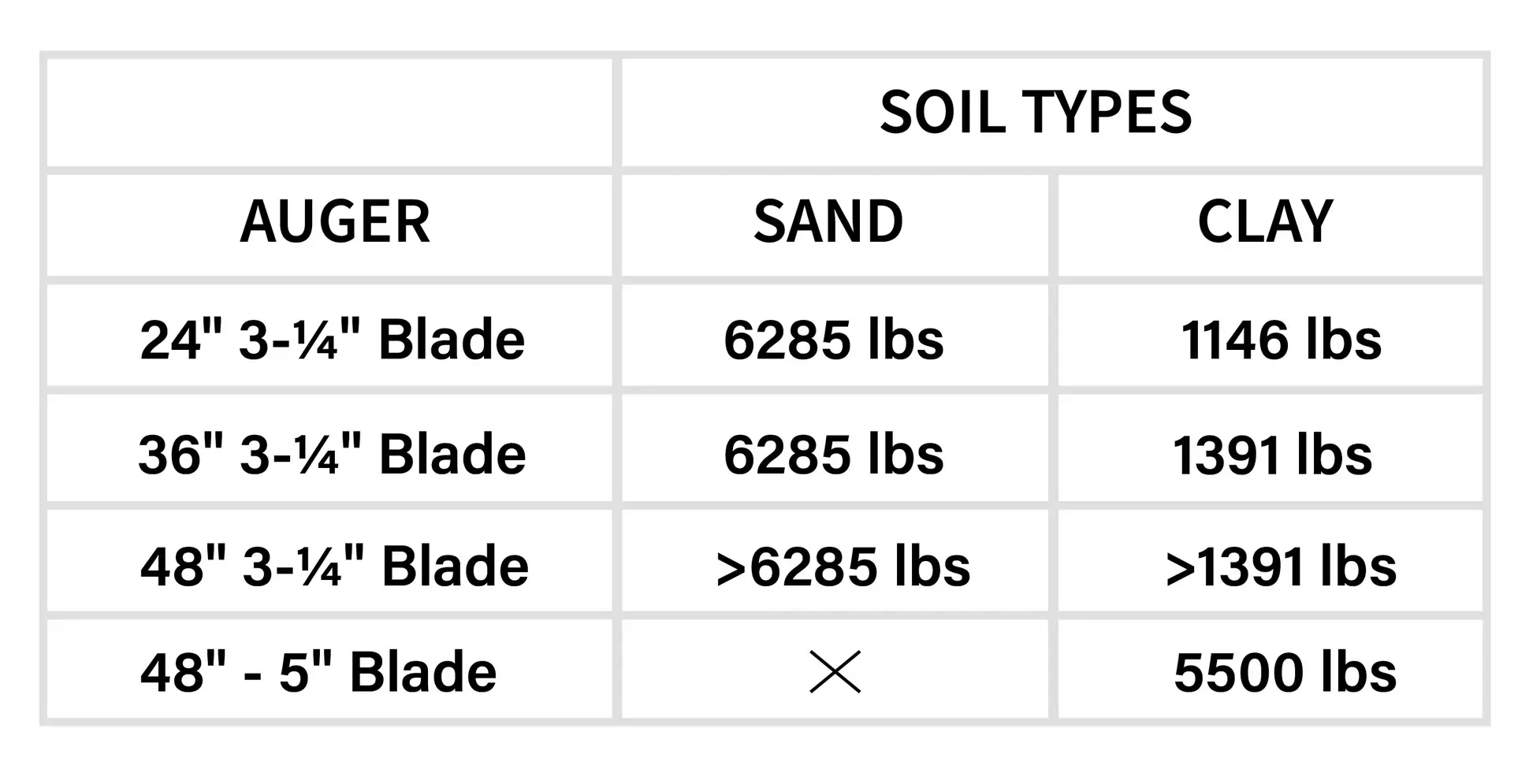
Deck Foot Anchor Auger Uplift

What About Strength?
Both systems can provide strong support when properly selected and installed.
Concrete footing capacity depends on factors such as footing size, depth, concrete strength, soil bearing capacity, reinforcement, and installation quality.
Deck Foot Anchor capacity can vary based on the auger blade size, length, soil conditions, deck design, and footing spacing.
The Floating or Ground Contact Deck Foot Anchor uses a load plate and is commonly used for freestanding decks (not attached to a house), pergolas, walkways, and similar structures.
The Ledger variant (which is a Frost Footing) is intended for structures attached to a house in seasonal frost regions. Its helical blade is installed below the frost zone to ensure it will not move within a frost zone.
Always confirm that the chosen footing is suitable for the structure, soil conditions, and local building requirements. Also download copies of engineering reports under our Resources section to share with local officials if a permit application is required. Local officials can tell you if they will accept the testing data for supporting your application.
When Concrete May Make More Sense:
-
Local codes require poured footings
-
The soil contains large rocks or obstructions
-
The structure needs a custom-engineered foundation
-
The project carries unusually heavy loads
-
The ground is not compatible with a helical footing
-
Permanent concrete construction is preferred
When the Deck Foot Anchor May Make More Sense
-
You want to avoid digging and concrete
-
You are building freestanding or ledger attached decks (use the Floating or Ledger Deck Foot Anchor )
-
You want to begin framing immediately
-
Access for heavy equipment is limited
-
Protecting the landscaping is important
-
You want a DIY-friendly footing system
-
Your soil and project are compatible
-
Lateral adjustment of post saddles would make framing easier
Find The Right Deck Foot Anchor For Your Build!
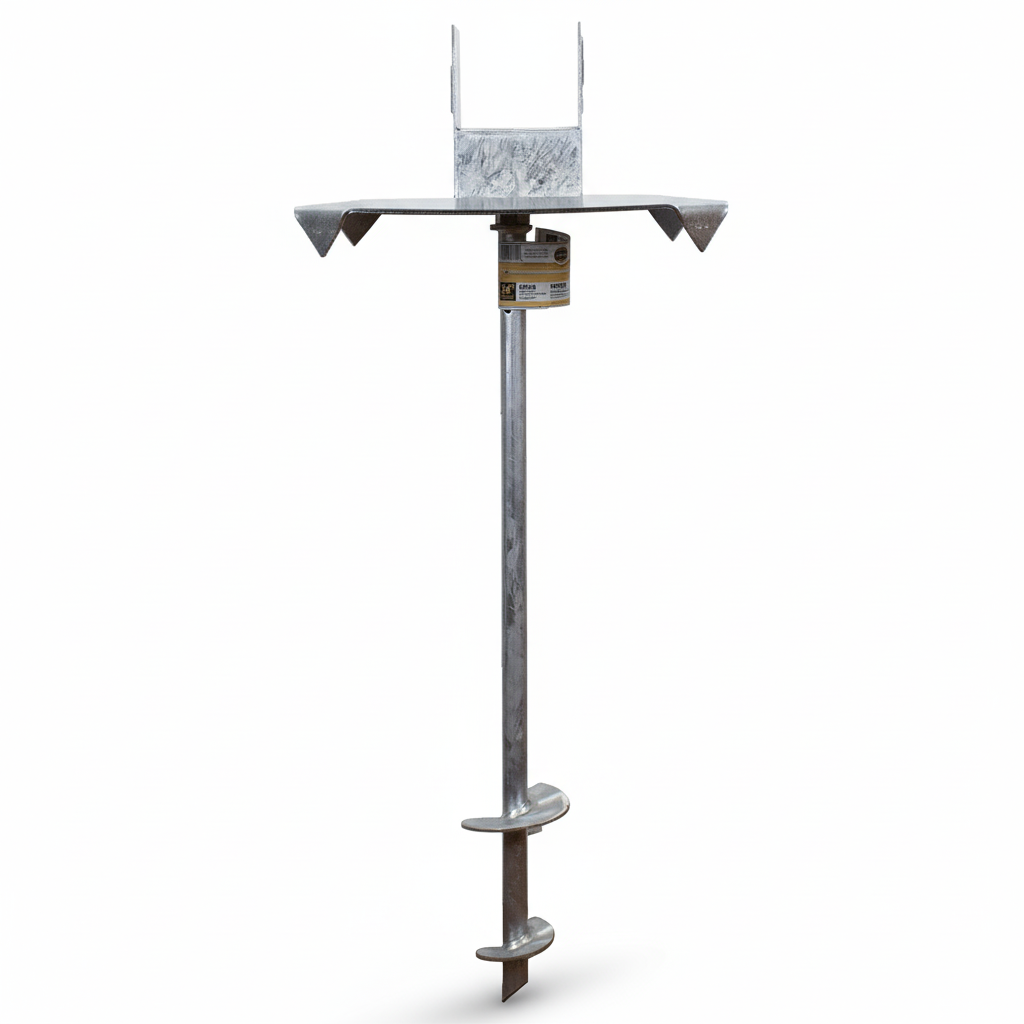
Deck Foot - Floating
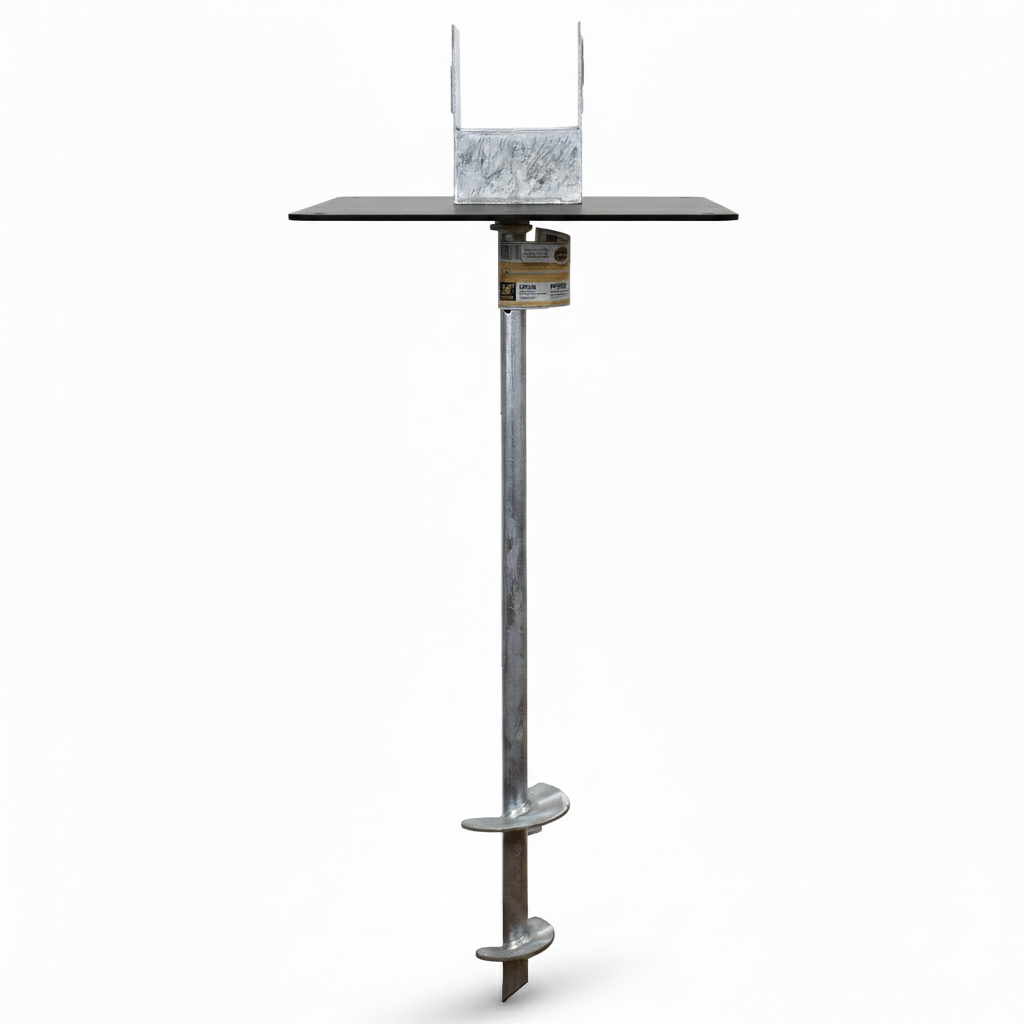
Deck Foot - Floating (Over Pavers)
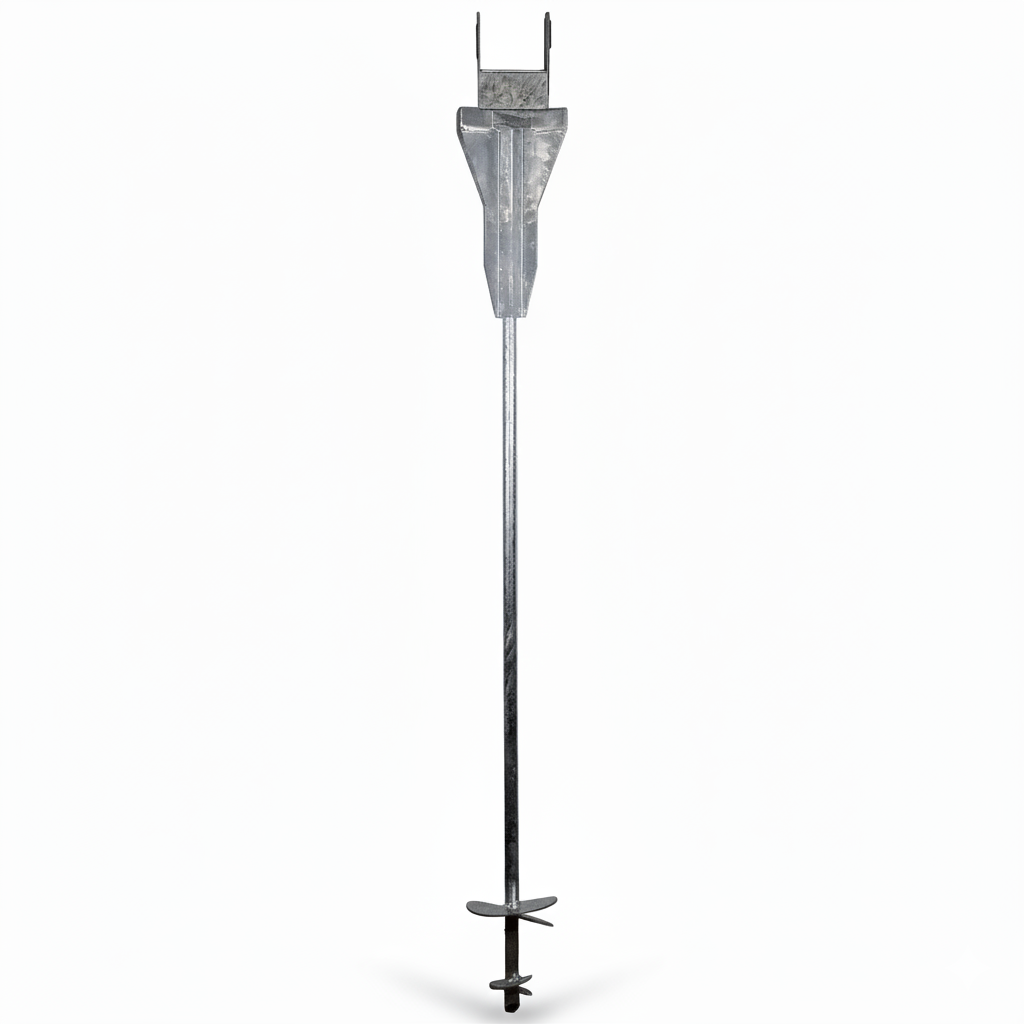
Deck Foot - Ledger/Frost
CHECK OUT OUR MOST POPULAR CONTENT
- Choosing a selection results in a full page refresh.